
Newman’s Auto Body Highlights Quality Control Checks Before a Repaired Vehicle Returns to the Road
Olathe, KS - November 11, 2026 - PRESSADVANTAGE - Newman’s Auto Body & Repair is publishing consumer guidance
Press Release Disclaimer: This is a press release distributed through the XPR Media network. It has not been independently verified by our newsroom.
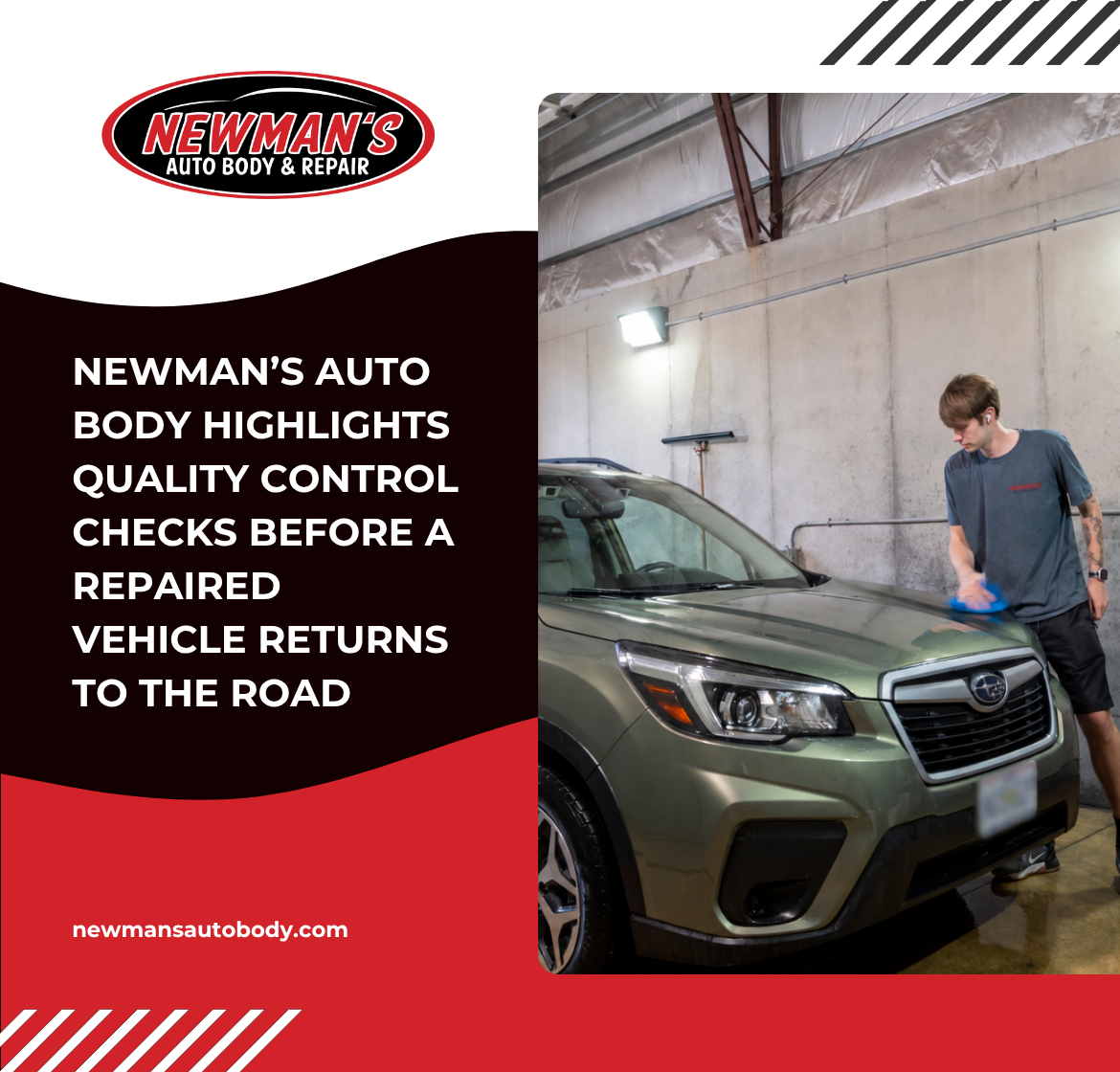

Olathe, KS – November 11, 2026 – PRESSADVANTAGE –
Newman’s Auto Body & Repair is publishing consumer guidance explaining the quality control checks that can take place before a repaired vehicle is returned to its owner. The November resource focuses on four areas that can be relevant near the end of collision repair: exterior fit and finish, operation of components involved in the repair, completion of applicable vehicle-specific procedures, and review of the documented repair plan.
Collision repair can involve multiple stages before a vehicle reaches final quality control. Depending on the damage, work may include disassembly, body or structural repair, component replacement, refinishing, reassembly, diagnostics, and other procedures identified during repair planning.
Newman’s Auto Body & Repair explains that quality control is not limited to a final walk-around. Checks can occur throughout the repair process when particular components and repair areas are accessible. Its collision repair services involve developing the repair around the condition of the individual vehicle and the work required for the documented damage.
Near the end of the process, technicians can review the repaired areas after applicable components have been reassembled. Exterior fit is one part of that review.
Panels and components involved in the repair can be examined in relation to adjoining areas. Depending on what was damaged, this can include panel gaps, positioning, attachment, trim, lamps, moldings, bumpers, doors, hoods, or other components associated with the collision.
The specific checks depend on the repair rather than one universal list for every vehicle. A front-end collision involving a bumper, fender, and headlamp creates different quality-control considerations from a side impact involving a door and quarter panel.
Refinished surfaces can also be reviewed as part of the completed repair. Technicians can examine areas that received body and paint work for their appearance and relationship to adjoining surfaces.
Newman’s Auto Body & Repair’s auto body repair services address damaged exterior panels and related body components. Final quality control provides an opportunity to review those completed areas after applicable repair, refinishing, and reassembly work.
Component operation is another consideration.
When a collision repair involves a door, for example, relevant checks may include opening and closing, latch operation, handles, glass movement, locks, mirrors, or other equipment associated with the repaired area. A repair involving a trunk or liftgate may involve a different set of checks related to fit, latching, lighting, or adjoining components.
These checks are tied to the work performed. They do not mean every feature throughout the vehicle is inspected after every collision.
Some quality-control work also takes place before final reassembly.
During a repair, certain attachment points, internal components, structural areas, or other operations may be easier to evaluate while exterior panels or trim remain removed. Once the vehicle is reassembled, those areas may no longer be directly visible.
For that reason, documentation and in-process checks can complement the final inspection. The completed vehicle shows the finished repair, while the repair plan and records provide context for work performed during earlier stages.
Modern vehicle electronics can add another part to the process.
Cameras, radar units, sensors, wiring, and control modules may be located within or near collision-damaged areas. Depending on the vehicle and work performed, manufacturer procedures may identify diagnostic scanning, calibration, or other electronic operations as part of the repair.
These procedures are vehicle-specific. The presence of a camera or sensor does not mean every collision requires calibration, and completing a physical body repair does not automatically establish which electronic procedures apply.
Newman’s Auto Body & Repair provides additional manufacturer-focused information through its OEM certifications resource. Applicable procedures can provide direction for component installation, fasteners, joining methods, structural repairs, corrosion protection, diagnostics, calibration, and other operations associated with the individual vehicle.
Quality control can therefore involve both the physical vehicle and the documented repair process. A technician may be able to inspect panel fit or component operation directly, while other completed procedures are confirmed through repair documentation because the work is no longer visible after reassembly.
This distinction is particularly relevant as vehicles incorporate more electronics and mixed-material construction. Exterior appearance remains important, but it represents only one part of evaluating completed collision work.
The November guidance organizes quality control around a practical sequence. First, checks performed during the repair can document work while affected areas remain accessible. After reassembly, repaired exterior areas and relevant component functions can be reviewed. Applicable diagnostic or manufacturer-directed procedures can then be considered in relation to the repair plan before the vehicle is prepared for delivery.
The process is designed around the specific collision rather than an unlimited inspection of every system on the vehicle. Quality-control checks relate to the documented damage, repairs performed, components involved, and applicable procedures.
For consumers, that distinction can make the final stages of collision repair easier to understand. A vehicle may look complete once the exterior panels have been refinished and installed, but the repair process can also include checks involving component operation, documentation, and procedures that are not immediately visible.
Quality control also provides an opportunity to compare the completed vehicle with concerns identified earlier in the repair. If damage analysis documented a displaced bumper, damaged lamp, dented fender, or misaligned door, the final review can return attention to those repaired areas after reassembly.
Newman’s Auto Body & Repair’s November publication adds final quality-control checks to its broader consumer collision repair information. Its central point is that reviewing a completed repair involves more than appearance alone. Fit and finish, relevant component operation, applicable vehicle-specific procedures, and documentation can each contribute information before the repair process is considered complete.
Newman’s Auto Body & Repair provides collision and auto body repair services from its Hamilton Circle facility at 1551 S Hamilton Cir, Olathe, KS 66061.
###
For more information about Newman’s Auto Body & Repair – Hamilton Cir, contact the company here:
Newman’s Auto Body & Repair – Hamilton Cir
Zack Newman
(913) 768 1300
zack@newmansautobody.com
1551 S Hamilton Cir, Olathe, KS 66061


