CPR Graduation Requirements Expand Across U.S., With Nationwide Push Continuing
The United States is seeing a growing trend and legislative push to mandate Cardiopulmonary Resuscitation (CPR) education for all high school students, aiming to improve survival rates for out-of-hospital cardiac arrests. While 43 states now require some form of CPR…
 Sioux Falls, SD, October 18, 2026 —
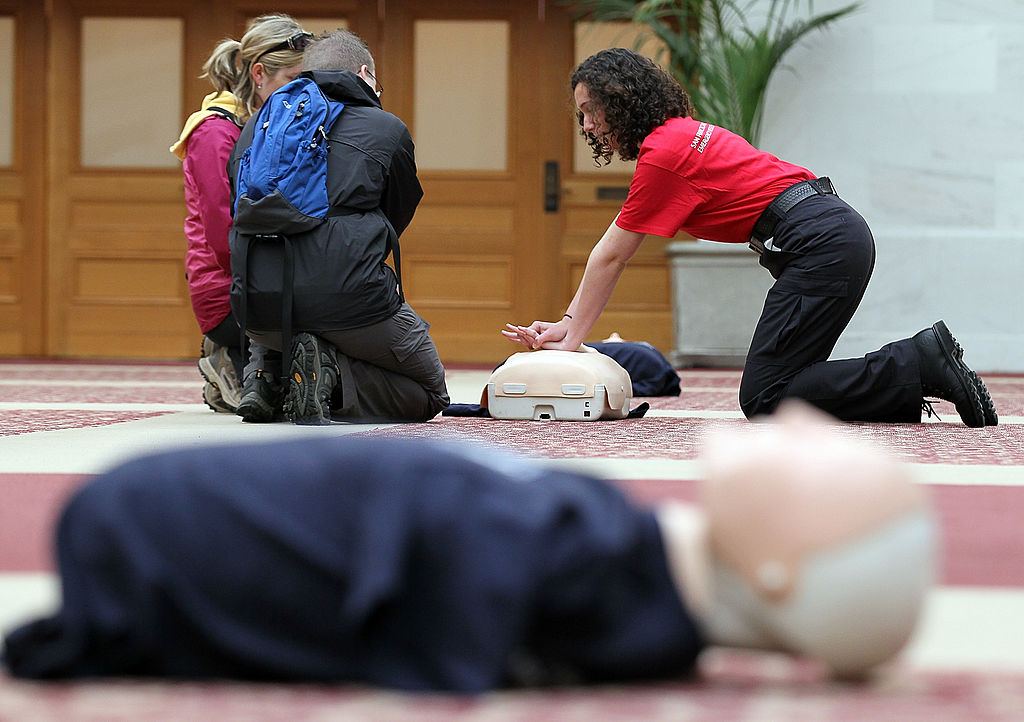
A growing legislative push in the United States seeks to make cardiopulmonary resuscitation (CPR) education a requirement for all high school students. The effort aims to improve survival rates for people experiencing cardiac arrest outside a hospital.
Currently, 43 states require some form of CPR instruction for students to graduate, according to the information provided. The requirements are described as varying in scope: the summary does not detail what instruction each state mandates or how those rules are implemented. It also does not identify the states that do not have a requirement.
Advocates of broader requirements are seeking comprehensive CPR training nationwide. Recent legislation such as the HEARTS Act is cited as support for the push. The available information does not specify the act’s provisions, where it stands in the legislative process, or what effect it has had on state requirements.
The distinction between requiring some form of instruction and ensuring comprehensive training is central to the trend. Although most states are reported to have graduation requirements, the ongoing national effort indicates that advocates want broader or more consistent coverage. The summary does not provide details about the training format, how student participation is measured, or whether requirements include practical instruction.
Further details about the legislation and state policies were not provided. The stated objective of the effort is to improve survival rates following out-of-hospital cardiac arrests by expanding CPR education among high school students.
Story summarized from the original created by Meng Yang and John Maa on time.com, see more information here.
Media gallery